
Annie Besant on Sikhism: Faith, Unity, and the Building of India
“When we speak the name of Guru Nanak, we speak the name of peace”
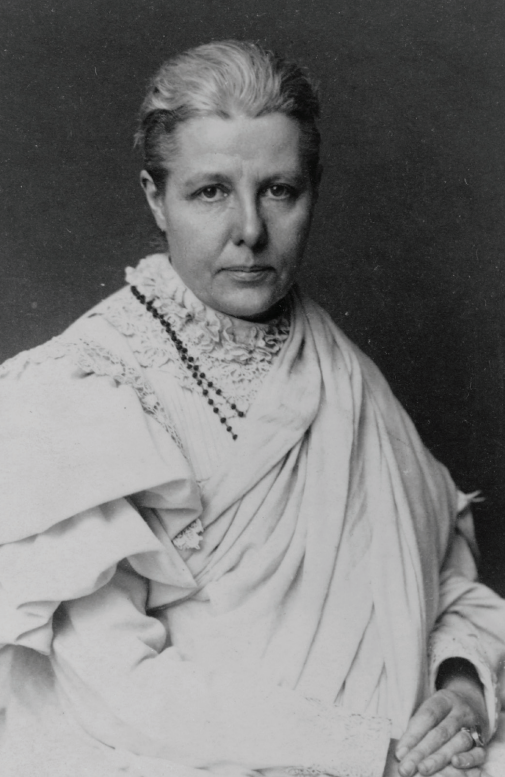
Annie Besant, c. 1897. Photograph by Hollinger & Rocky Studio, New York.
Annie Besant, the daughter of an English father and Irish mother, was a remarkable figure whose life spanned continents, causes and cultures.
A writer, women’s rights activist, Theosophist and supporter of both Irish and Indian independence, Besant made India her home from 1893. There, she became a central figure in the Theosophical Society and played a key role in bringing Eastern philosophy to Western audiences.
She also adopted and promoted the philosopher Jiddu Krishnamurti as a “World Teacher,” reflecting her lifelong dedication to spiritual exploration and global understanding.
As president of the Theosophical Society, Besant authored numerous lectures and writings that explained Sikh philosophy, history and practices in ways accessible to Western readers.
She recognized Sikhism not just as a faith, but as a unifying moral force that could contribute to the vision of a free and harmonious India.
In a 1901 lecture on Sikhism to the Theosophical Society, Besant emphasized the role of Sikhs in fostering national unity:
“See that the Sikh brothers are helpers in the building up of the one nation out of India with no quarrel against any, with no hatred against any, with no strife to divide them from any other faith.”
For Besant, faith and national life were inseparable. She continued:
“If they are faithful to the teachings of their Guru, they should be friends and unifiers, wherever they go, builders-up and constructors of the national life.… When we speak the name of Guru Nanak, we speak the name of peace, and may He who watches over His own community make it one of the elements for the building of our India!”
Besant’s reflections remind us that Sikh philosophy was more than a religious tradition in her eyes: it was a guiding force for social harmony and nation-building.
Through her work, Annie Besant bridged cultures and ideas, championing unity and the transformative power of faith.
Read more of her writings and account in Eleanor Nesbitt’s ‘Sikh: Two Centuries of Western Women’s Art & Writing’, which you can buy here.